

Coronavirus: SSP payable from day one
The Prime Minister has announced that workers who fall ill with coronavirus or who are advised to self isolate will be entitled to receive statutory sick pay from the first day of their illness or isolation.
04.03.2020
Currently, SSP is payable from the fourth day of absence. It's paid at a fixed rate of £92.25 per week (increasing to £95.85 from 6 April 2020) and is only payable if someone earns at least £118 per week.
The lower earnings limit means that many people are excluded from receiving SSP - particularly if they work on zero hours contracts. The Prime Minister has said that workers who don't qualify for SSP "will be entitled to help through existing systems such as universal credit and we are urgently looking at the application process to reflect on the advice on self-isolation."
We understand that the government is going to introduce emergency legislation to make the changes which, we think, will only apply to coronavirus - not to other conditions or illnesses.
We'll keep you updated.
Boris Johnson said people who self-isolate are helping to protect others from the virus and should not be "penalised for doing the right thing".
https://www.bbc.co.uk/news/uk-51738837
Key Contacts
Related Articles
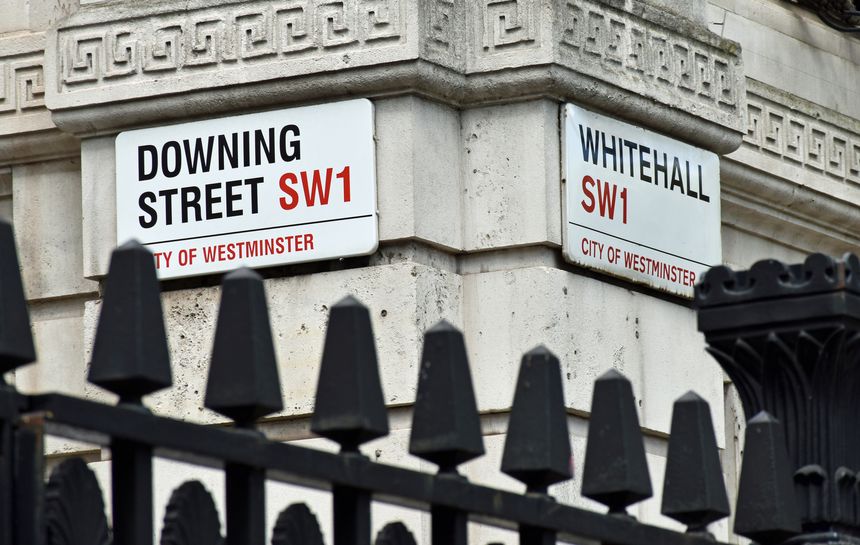 Expert CommentThe government has confirmed it's going to reform non-compete clauses.Over the last few years, governments of various colours have carried out successive consultations and policy reviews on whether non-compete clauses stifle competition, innovation and labour mobility, without ever quite pulling the trigger on reform.
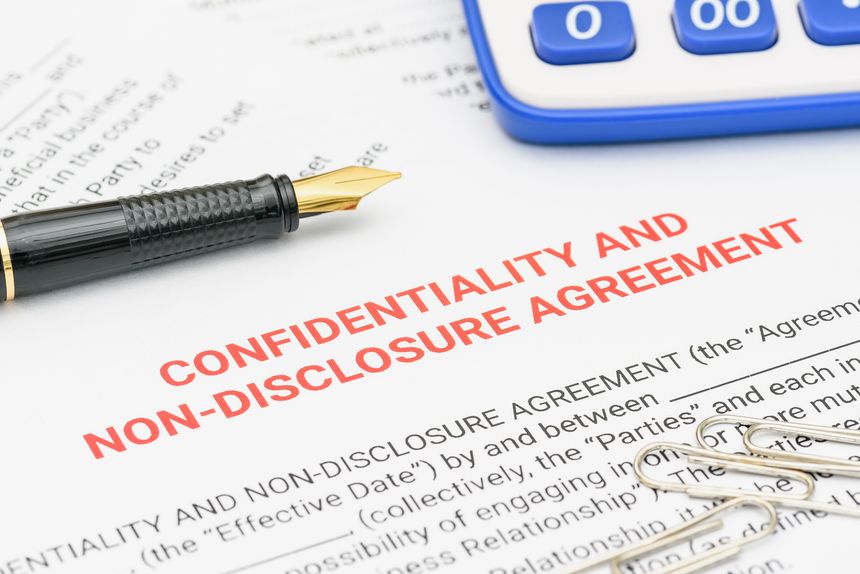 Expert CommentDo short notice periods undermine the enforceability of restrictive covenants?That was one of the issues the court had to decide in a recent case.
 Expert CommentEmployment Rights Act: updated timeline for schools and collegesThe Employment Rights Act 2025 ('the ERA 2025') is coming into force in stages.


