

Tobacco and Vapes Act 2026: licensing consultation delayed, but businesses should not wait

One of the most significant public health reforms has been designed to create what the Government describes as a “smoke-free generation” whilst also tightening controls around vaping and nicotine products.
31.07.2026
For retailers, manufacturers, hospitality operators and enforcement authorities, however, the key message is not simply that reform is coming; it is that reform is coming in stages, and some of the most operationally important detail is still awaited.
The Tobacco and Vapes Act 2026 (“the Act”) received Royal Assent in April 2026 and contains a broad package of measures. These include the headline prohibition on selling tobacco products, herbal smoking products and cigarette papers to anyone born on or after 1 January 2009, new controls on the sale and supply of vaping and nicotine products, restrictions on advertising and sponsorship, powers to regulate packaging, product appearance and displays, and powers to introduce a retail licensing regime for tobacco, vaping and nicotine products.
The implementation timetable matters.
The smoke-free generation provisions are expected to take effect in a matter of months, from 1 January 2027.
The Government has also indicated that the comprehensive advertising and sponsorship ban for vapes and nicotine products is intended to come into force from 1 June 2027.
Separately, a live UK-wide consultation on packaging, appearance and display opened in July 2026 and is due to close in October 2026. That consultation focuses on how products look, how they are packaged and where they may be displayed, with the stated aim of reducing their appeal to children and young people while preserving access for adult smokers seeking to quit.
Against that backdrop, the delay to the retail licensing consultation is important. The Act gives ministers in England, Wales and Northern Ireland powers to introduce a licensing scheme for the retail sale of tobacco, vaping and nicotine products.
The policy intention is clear: to support compliant retailers, strengthen enforcement and make it harder for non-compliant operators to sell illicit or age-restricted products. However, the Government has confirmed that it is still considering evidence gathered through the call for evidence which ran between October and December 2025, and that it now intends to consult on the proposed retail licensing scheme in 2027.
That does not mean businesses can safely put the issue to one side. The licensing consultation may have moved into 2027, but the direction of travel is already visible. Retailers should expect greater scrutiny of age verification, product sourcing, staff training, record keeping and compliance systems. Those operating across multiple sites should also be alive to the possibility that licensing conditions, enforcement approaches and local authority expectations may require consistent internal processes, not simply store-by-store judgement calls.
There is also a reputational dimension. Tobacco and vaping products remain politically and socially sensitive. Businesses that sell these products will need to show not only technical compliance, but also that they are taking youth access, product presentation and responsible retailing seriously. This may impact dealings with regulators, local authorities, landlords, commercial partners, investors and consumers, who are increasingly likely to expect clear evidence of responsible retail practices and effective compliance measures.
For manufacturers, suppliers and brand owners, the phased nature of implementation creates a different challenge. Packaging, appearance, display and advertising restrictions may interact in ways that affect product development, marketing strategy, stock management and contractual arrangements with retailers or distributors. Businesses should avoid treating each commencement date as a standalone compliance exercise. A change to packaging or display rules may have knock-on consequences for commercial contracts, supply chain documentation, promotional materials and consumer-facing communications.
The practical difficulty is that some of the detail remains uncertain. That is not unusual where primary legislation creates enabling powers and the operational regime follows through consultation and secondary legislation. But it does mean that businesses should build flexibility into their compliance planning. Waiting until final regulations are published may leave too little time to update systems, train staff, review contracts or manage stock transitions sensibly.
Practical takeaways
Businesses should use the extra time before the retail licensing consultation strategically. First, map which products, premises and sales channels are likely to be caught by the Act. Secondly, audit existing age verification, staff training, supplier due diligence and complaints processes. Thirdly, identify contracts, marketing materials and store layouts that may need to change once the packaging, appearance, display and advertising rules are finalised. Finally, keep the 2027 consultation under active review and prepare to respond with evidence of what will and will not work in practice.
The consultation delay should therefore be seen less as a pause and more as a planning window. Those who use it well will be better placed to adapt when the detail lands.
Key Contacts

Jane Anderson
Legal Director
Related Articles
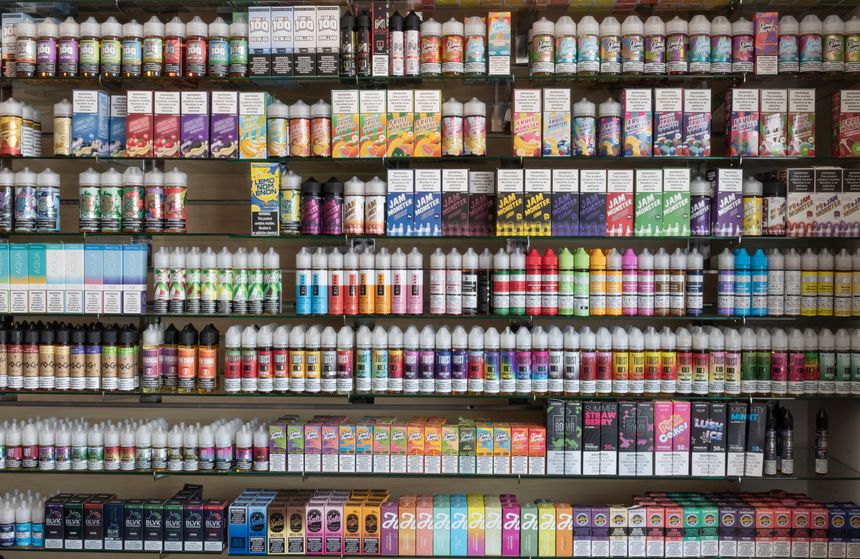 Expert CommentVape Shops and Planning Permission: A New Front in Tobacco and Vapes RegulationVape retailers may soon face a new regulatory hurdle before opening new premises: planning permission.
 Expert CommentSelective licensing: why getting it wrong can have costly consequencesThe Landlord licensing landscape is evolving rapidly. Since the government’s updated selective licensing guidance took effect in December 2024, local authorities in England no longer need Secretary of State confirmation before introducing schemes covering more than 20% of their area or privately rented stock. That has made consultation, designation and renewal activity much more important for landlords with properties across different boroughs.A recent example: proposed penalties reduced by around 70%Why this mattersKey takeaways
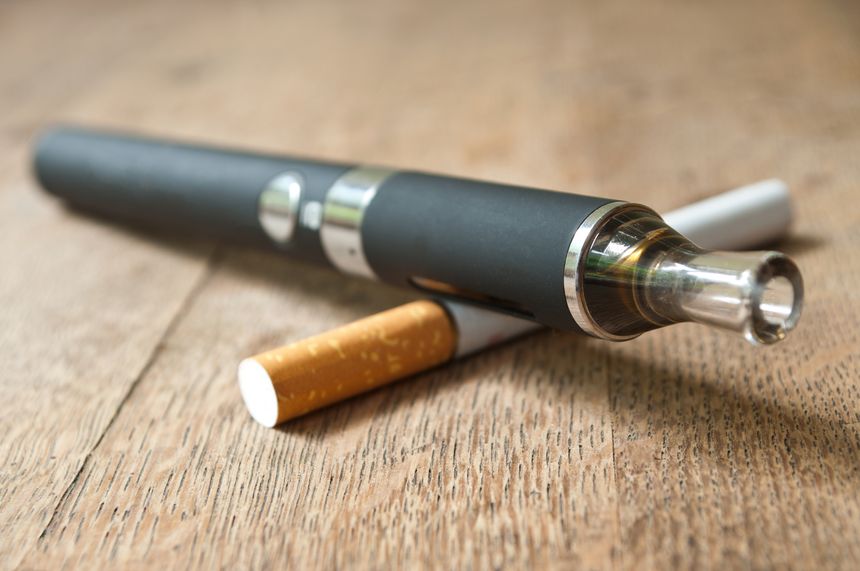 Expert CommentExpert Comment: UK’s “Smoke-Free Generation” LawThe UK government has introduced landmark legislation aimed at creating a “smoke-free generation” by preventing younger individuals from ever legally purchasing tobacco products.


