

Understanding work-related lung fibrosis – Our partnership with Action for Pulmonary Fibrosis

We’re pleased to announce our partnership with Action for Pulmonary Fibrosis (APF) – the UK's leading charity dedicated to supporting everyone affected by pulmonary fibrosis (PF).
04.03.2026
Alongside its support services, education work and support for a UK network of independent PF groups, APF is committed to campaigning for faster and more equitable diagnosis and treatment and to significantly increase investment in research, to drive progress towards a cure.
As a long-term supporter of APF’s mission, this exciting partnership builds on shared values – placing people living with PF at the heart of everything we do.
Together, we’ll work hard to support families with practical, legal and emotional guidance, deliver free, accessible education content for healthcare professionals, improve early recognition, and advocate for policy and workplace change to prevent further harm.
Understanding work-related interstitial lung disease
Interstitial lung disease (ILD) is a broad term covering more than 200 conditions that cause inflammation and scarring of the supporting tissue between the air sacs of the lungs. As scarring worsens, the lungs become stiff, breathing becomes more difficult, and oxygen transfer is impaired.
Some ILDs are strongly linked to workplace exposures. Conditions such as asbestosis, silicosis, coal workers’ pneumoconiosis, byssinosis, chronic beryllium disease and other metal‑related ILDs result from inhaling mineral dusts, cotton dust or metal fumes over time. Hypersensitivity pneumonitis meanwhile can develop through repeated inhalation of organic dusts like moulds, bacteria or bird proteins.
Symptoms often develop gradually, typically including breathlessness, a persistent dry cough, fatigue, weight loss, and, in some cases, clubbed fingers. These overlap with idiopathic pulmonary fibrosis (IPF) – the most common fibrotic ILD, for which there is currently no cure currently.
The occupations most at risk of developing work-related PF include:
Construction and demolition workers: high exposure to silica dust from drilling, cutting or grinding concrete/stone. Also, historic asbestos exposure.
Engineered stone fabricators / stonemasons: cutting engineered “quartz” stone in the kitchen and bathroom worktop industry generates extremely high respirable crystalline silica, linked to severe and fast-progressing silicosis.
Miners and quarry workers: chronic inhalation of coal dust and silica can lead to pneumoconiosis and silicosis.
Metalworkers and welders: exposure to beryllium, chromium, cadmium and other metal fumes.
Ceramics, foundry, brick and manufacturing workers: high‑heat industrial processes release fine silica‑rich dust.
Farmers and agricultural workers: contact with mouldy hay, grain or straw.
Bird handlers, poultry workers and breeders: exposure to avian proteins in feathers / droppings.
Textile workers (cotton, flax, hemp): dusts can trigger byssinosis and chronic respiratory inflammation.
Auto mechanics: historic exposure to parts such as brakes and clutches that contain asbestos.
Waste and recycling workers: mixed bioaerosols, moulds and dusts.
Work-related fibrosis conditions are often under-recognised or diagnosed late because symptoms can look like other naturally occurring respiratory diseases and the exposure may have happened decades earlier. Awareness of occupational causes can also be limited among some healthcare professionals, making robust occupational histories and early specialist involvement essential.
Working together to raise awareness
A key focus of our partnership with APF is to address the lack of awareness surrounding PF and occupational ILDs.
More than 150,000 people in the UK are estimated to be living with PF, with over 5,000 deaths each year, and across ILDs more broadly, studies suggest more than 20,000 new cases are diagnosed annually.
Despite the seriousness of these conditions, public understanding remains low, and 30% of people have never heard of pulmonary fibrosis at all. For those living with the condition, it is often described as an “invisible killer”, reflecting how easily symptoms are overlooked and how little the condition is recognised or understood.
This lack of awareness extends into healthcare settings and is a significant contributor to delayed diagnosis. Many people report that PF was not considered or discussed in primary care before referral, slowing access to specialist assessments and life‑extending treatments. National data highlights lengthy diagnostic pathways, with patients experiencing symptoms for years before seeing a specialist.
Through APF’s community reach and our national presence, we will work together to:
- Amplify education
- Highlight occupational risks
- Promote earlier recognition
- Ensure more people receive timely specialist care.
Speak to an expert
For decades, we’ve supported individuals and their families affected by work‑related lung disease, offering clients a free legal check when they get in touch with us.
Our specialists have extensive experience handling cases involving workplace exposures, helping clients access the care, compensation, and rehabilitation they deserve. We act across the full spectrum of industrial lung conditions, including silicosis, asbestos‑related disease, hypersensitivity pneumonitis and other ILDs.
Beyond compensation, our work includes connecting clients with rehabilitation, respiratory specialists, and trusted support groups. Through relationships with charities such as APF, our clients can access the information and support they need to live well with lung fibrosis.
Contact Action for Pulmonary Fibrosis for support, information, and details of local support groups via actionpf.org.
Key Contacts
Related Articles
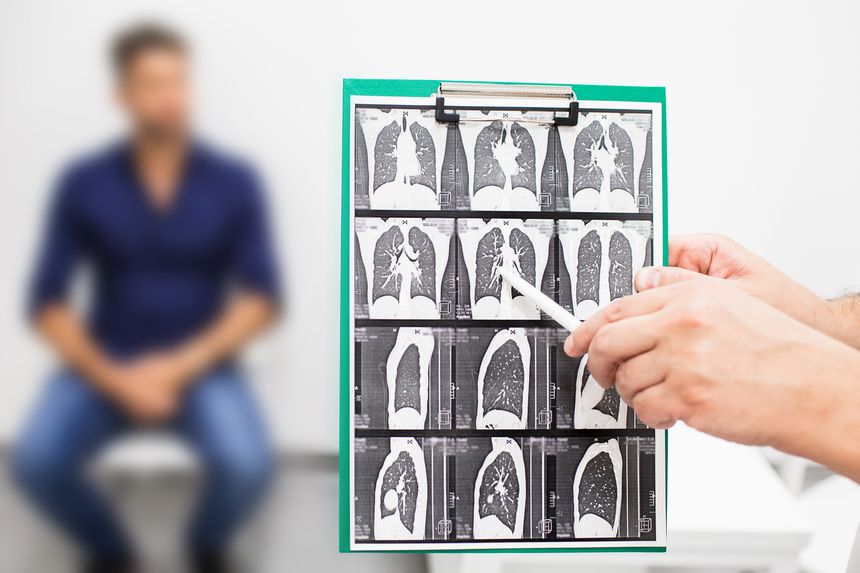 Expert CommentWhat is pulmonary fibrosis? Expert lawyer sets out key informationPulmonary fibrosis (PF) is an irreversible condition that causes scarring of the lungs
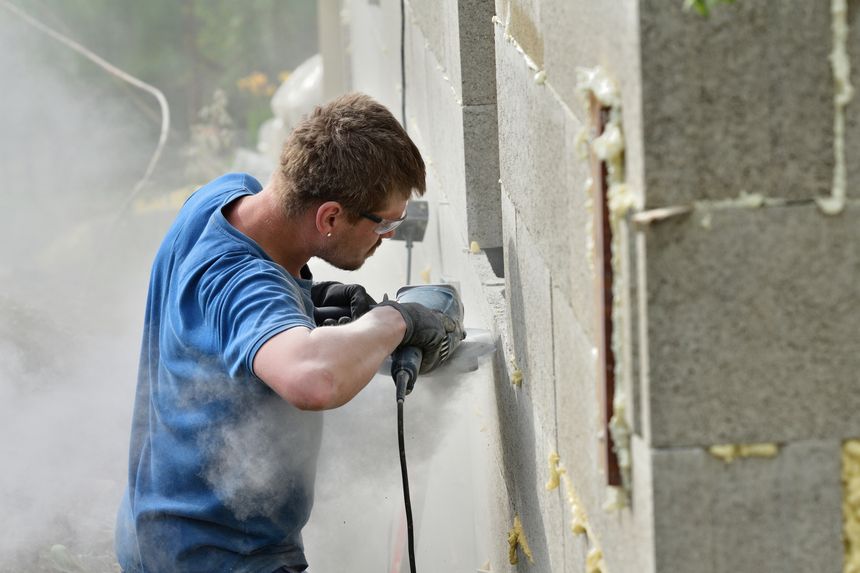 Expert CommentSuccessful silicosis claims of three Stonemasons against their former employer highlights why the HSE’s ongoing ‘Dust Kills’ campaign is so importantThe UK’s national safety regulator, the Health and Safety Executive (‘HSE’), describes silica dust as “the single biggest risk to construction workers after asbestos.” In their recent ‘Dust Kills’ campaign launched earlier this year, the HSE’s Chief Inspector of Construction, Michael Thomas, stated:


