

Coronavirus: new guidance on right to work checks

Our immigration specialist Philip Barth explains how organisations can carry out right to work checks at a time when many workplaces are closed and staff are working from homes.
07.04.2020
As of 30 March 2020 the following temporary changes have been made:
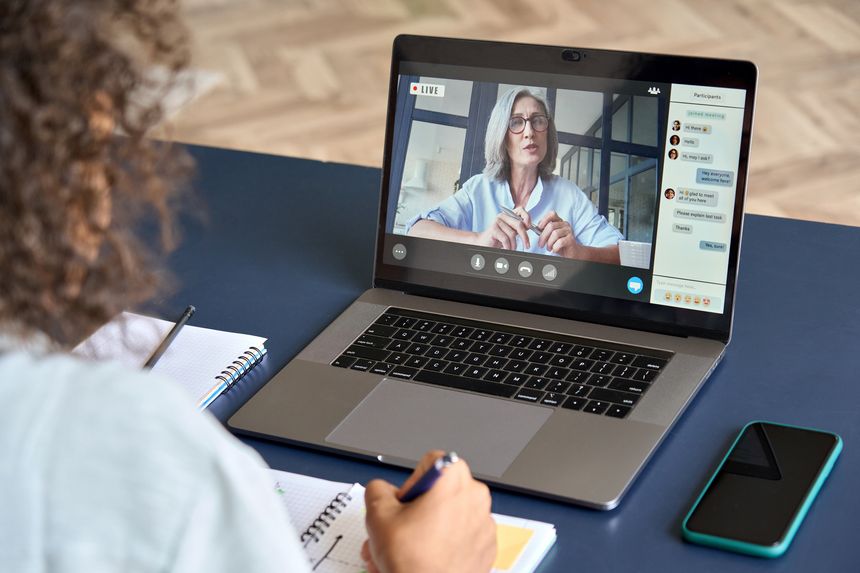
- checks can now be carried out over video calls
- job applicants and existing workers can send scanned documents or a photo of documents for checks using email or a mobile app, rather than sending originals
- employers should use the Employer Checking Service if a prospective or existing employee cannot provide any of the accepted documents
These are only temporary measures and the Home Office will let employers know in advance when they will end. After then the standard existing regime will recommence.
Employers will then have to carry out retrospective checks on existing employees who started, or needed a follow-up check, during these temporary measures.
The retrospective checks must be carried out within 8 weeks of the end of these temporary measures.
The Home Office will not take any enforcement action against employers who have carried out the adjusted checks and followed this up with the retrospective check.
Full details of the guidance can be found here.
Need help?
If you have any questions about these measures or any other sponsorship or immigration compliance matter, please contact one of our specialist immigration lawyers.
Key Contacts
Related Articles
 Expert CommentEmployment Rights Act: updated timeline for schools and collegesThe Employment Rights Act 2025 ('the ERA 2025') is coming into force in stages.
 Expert CommentTeacher banned after accidentally displaying his YouTube search historyUnacceptable professional conduct
 Expert CommentCan line managers be personally liable for failing to make reasonable adjustments?


