

Engineered stone and the new epidemic of lung fibrosis

September is Pulmonary Fibrosis Awareness Month
29.09.2026
Increasingly, research is demonstrating links between pulmonary fibrosis and environmental and occupational exposures, raising important questions about how many cases currently labelled "idiopathic" may in fact have an unrecognised cause.
Alongside these questions, a new occupational health crisis is emerging, silicosis caused by engineered stone. In my work as a specialist silicosis lawyer, I am seeing first-hand the impact of this devastating, preventable disease in workers exposed to engineered stone products, often after only a few years of cutting, grinding or fitting materials that they did not realise could permanently damage their lungs.
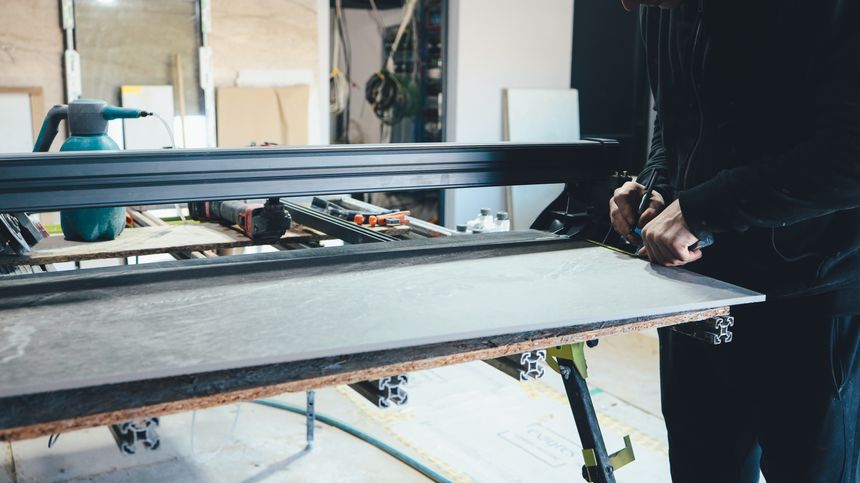
Engineered stone, often marketed as quartz worktops, has become one of the most popular kitchen surfaces in the UK. Yet behind the polished finish lies a material that can contain more than 90% crystalline silica. When cut, ground or polished, it releases respirable silica dust capable of causing severe and irreversible lung scarring.
This issue has recently attracted national attention through the i newspaper's "Killer Kitchens" campaign, which highlighted concerns about workers manufacturing and fitting engineered stone worktops. The medical evidence increasingly supports those concerns.
In 2024, UK clinicians reported the first eight confirmed cases of engineered stone-associated silicosis. The workers were young, with a median age of just 34. One had died and two had already required assessment for lung transplantation. Several had worked with engineered stone for only a few years.1
What makes engineered stone particularly worrying is that it appears to cause a more aggressive form of silica-related lung disease than has traditionally been seen in mining or quarrying. The American Thoracic Society (“ATS”) recently described artificial stone-associated silicosis as a rapidly progressive, preventable occupational lung disease with high rates of progressive massive fibrosis, respiratory failure and lung transplantation.2
Perhaps most concerning is that the damage does not necessarily stop when exposure ends. Studies have shown that disease progression can continue even after workers leave the industry. Once significant fibrosis develops, treatment options remain limited.3
The experience overseas provides a warning. Australia, which has identified hundreds of cases, became the first country to ban engineered stone containing more than 1% crystalline silica in 2024 after concluding that existing control measures were not adequately protecting workers. The ATS report notes growing international concern and calls for stronger surveillance, earlier detection and, ultimately, elimination of the hazard itself. California are leading the way in terms of mandatory reporting and their Engineered Stone Silicosis Surveillance Dashboard.4
For healthcare professionals, the key message is simple: always ask about work.
For patients with pulmonary fibrosis, a detailed occupational history may be just as important as blood tests or scans. Exposure to silica, asbestos, metalworking fluids, moulds and other workplace hazards can all contribute to fibrotic lung disease. Not only can asking the right occupational questions help secure the correct diagnosis and treatment pathway, but it may also enable patients to access compensation and financial support where their illness was caused by work. This is particularly important given that fibrotic lung diseases have historically received far less public attention than other serious conditions. Action for Pulmonary Fibrosis' powerful "Wish It Was Cancer" campaign highlighted the stark reality that many patients with pulmonary fibrosis face delayed diagnosis, limited treatment options and comparatively low public awareness despite often having a prognosis as poor as, or worse than, many cancers. Greater awareness of occupational causes is crucial if more patients are to receive answers, support and access to justice.
The emergence of engineered stone silicosis brings all of these issues into sharp focus. Here we have a preventable occupational disease affecting relatively young workers, often progressing to severe and irreversible lung fibrosis, yet many people – including those at risk – have never heard of it. As Pulmonary Fibrosis Awareness Month reminds us of the devastating impact of fibrotic lung disease, the story of engineered stone should also remind us that some cases are not inevitable. Sometimes the cause can be identified, exposure can be prevented, and lives can be changed through securing much needed financial compensation by simply asking one additional question: what have you done for work?
Read more about our expertise in helping victims of workplace illness and injuries.
- Feary, J., Devaraj, A., Burton, M., Chua, F., Coker, R.K., Datta, A. et al. (2024) 'Artificial stone silicosis: a UK case series', Thorax, 79(10), pp. 979–981. doi:10.1136/thorax-2024-221715
- Gandhi, S.A., Liu, G.Y., Fazio, J.C., Amubieya, O., Barnes, H., Cavalin, C. et al. (2026) ‘Silicosis in the Artificial Stone Countertop Industry: An Official American Thoracic Society Workshop Report’, Annals of the American Thoracic Society. doi:10.1093/annalsats/aaoag176.
- Ibid
- Engineered Stone Silicosis Surveillance Dashboard
Key Contacts
Related Articles
 Expert Comment'Killer kitchen dust' crackdown: A step forward - but not a new solutionRules to stop the dry cutting of engineered stone have been announced


