

Hantavirus on board MV Hondius: what the cruise outbreak means for passengers

Suspected outbreak of rare illness onboard the MV Hondius cruise ship
05.05.2026
Recent reporting by the BBC has highlighted a deeply concerning outbreak of suspected hantavirus on board the expedition cruise ship MV Hondius, with several passengers and crew seriously unwell and multiple tragic deaths reported.
As a lawyer who has spent many years supporting individuals and families affected by serious illness during cruises and other overseas holidays, this story is both alarming and sadly familiar in its wider themes.
For passengers and families, incidents like this raise urgent questions about safety, medical response, and what support is available when holidays go catastrophically wrong.
What has happened onboard the MV Hondius cruise ship?
According to reporting, the vessel was travelling from Argentina towards Cape Verde when passengers began to fall ill. Health authorities have confirmed at least one laboratory‑confirmed case of hantavirus, with several further suspected cases under investigation. A number of people have died, including a Dutch couple, and a British passenger has been receiving treatment in intensive care in South Africa. The ship has since been held offshore while public health authorities assess the risk and arrange medical evacuations.
For those onboard, this has clearly been a frightening and traumatic experience. For families back home, the uncertainty and sudden loss is devastating. These are not risks that holidaymakers reasonably expect when booking what should have been a once‑in‑a‑lifetime cruise.
What is hantavirus?
Hantavirus is a rare but potentially fatal illness most commonly associated with contact with infected rodents, particularly through inhalation of airborne particles from urine or droppings. Symptoms often begin with flu‑like signs such as fever, headache and muscle pain, but can rapidly progress to severe respiratory failure. Person‑to‑person transmission is considered uncommon.
It is precisely because the early symptoms can appear mild that outbreaks like this are so dangerous. By the time the seriousness is recognised, individuals may already be critically unwell.
Cruise ship safety concerns raised by the MV Hondius outbreak
Cruise ships are closed environments. When serious illness takes hold onboard – whether gastrointestinal illness, respiratory infection or, as here, a rare viral disease – the consequences can escalate quickly. Over the years, I have supported many clients affected by illnesses contracted on cruises, including outbreaks where hygiene, food safety or delayed medical response were all issues raised during subsequent investigations.
The emergence of a rodent‑borne virus on a cruise ship inevitably raises questions. How was exposure possible? Were there adequate pest‑control measures? Were early symptoms recognised and escalated promptly? Were passengers given timely information and support? These are questions that public health authorities will now need to answer.
What needs to happen now
First and foremost, the priority must be the health and welfare of those affected. That includes access to specialist medical care, transparent communication with passengers and families, and full cooperation with international public health bodies.
Beyond the immediate response, there must be a thorough investigation into how this outbreak occurred and whether it could have been prevented. Lessons must be learned and shared across the cruise industry to reduce the risk of similar incidents in the future. For those who have lost loved ones or whose holidays have been catastrophically impacted, there also needs to be clear support, accountability and answers.
What passengers can do
For passengers who are currently on board, have recently disembarked, or are concerned about possible exposure, there are some important practical steps that can help protect health and ensure issues are properly recorded:
- Seek medical attention promptly if you experience flu‑like symptoms such as fever, headache, muscle aches, breathing difficulties, abdominal pain or fatigue, whether on board or after returning home.
- Report symptoms immediately to the ship’s medical team, the cruise operator and, where appropriate, local health authorities. Early reporting can be crucial both for treatment and containment.
- Follow public health guidance issued by the cruise operator, onboard medical staff and national or international health authorities, including any advice on testing, isolation or monitoring symptoms.
- Keep clear records of your symptoms, medical treatment, medications given and any communications from the cruise operator. This includes keeping copies of medical notes, incident reports and emails where possible.
- Do not feel pressured to accept early offers of compensation or goodwill payments without taking advice. These may not reflect the full impact of what you have experienced.
- Seek independent advice if you or a family member have been seriously ill, particularly where illness has disrupted your holiday, caused long‑term health issues or, most tragically, led to loss of life.
Supporting those affected
At Irwin Mitchell, our international serious injury team has longstanding experience helping people affected by illness on cruises and package holidays. For many clients, the impact extends far beyond the immediate physical symptoms – with long‑term health consequences, psychological trauma, loss of enjoyment and, in the most tragic cases, bereavement.
In this previous article we highlight key advice for passengers falling ill onboard cruise ships.
No legal process can undo what has happened here. However, for some families, obtaining answers and accountability can be an important part of moving forward. Just as importantly, scrutiny of incidents like this can help drive improvements in safety standards and protect future passengers.
Key Contacts
Related Articles
 Expert CommentLawyer's concern as one person dies and more than 200 fall ill in UK salmonella outbreak linked to imported eggsLegal expert says those affected deserve answers
 Expert CommentDon’t let a dream holiday become a nightmare: Why the right travel insurance mattersLawyer sets out key advice to help protect you while abroad.
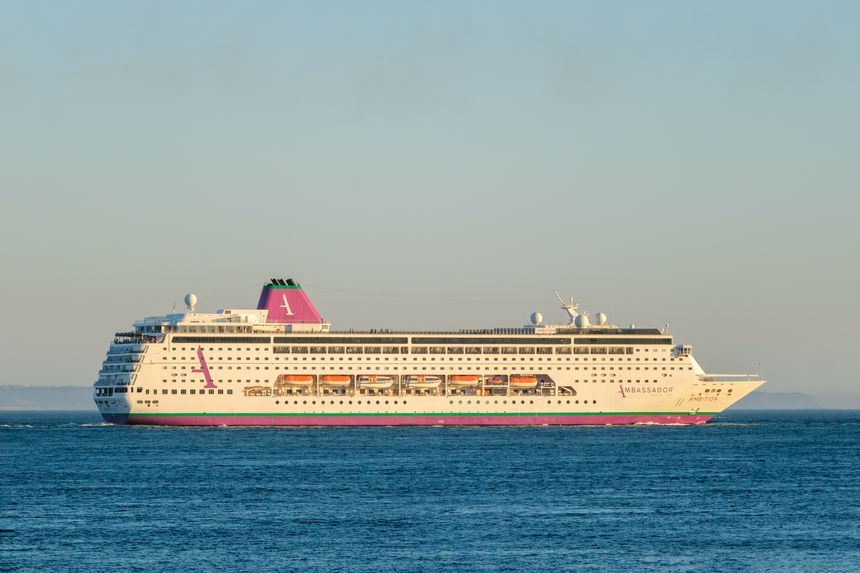 Expert CommentAmbition cruise ship illness: Passenger safety must remain the priorityLawyer's concern as 1,000-plus passengers held on UK-operated liner following reported illness


