

PM announces changes to the 'work from home advice'
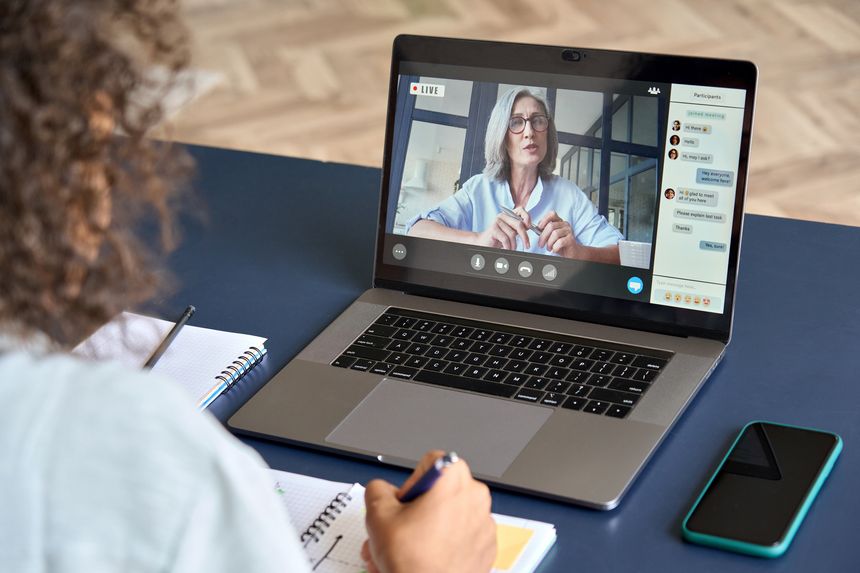
This morning, the Prime Minister said that from Saturday 1 August, it's advice to employers to take all reasonable steps to help people work from home will change. Instead, employers should 'encourage staff' to return to work if it is safe for them to do so.
17.07.2020
Whether this will persuade employers to re-open offices and expect staff to return remains to be seen. Many businesses have adapted and, whilst working from home, isn't for everyone, it's difficult to see everything simply going back to a situation where most staff are expected to work at their employer's premises if they can continue to work remotely. Plus, as we explained in this blog, many parents can't return to their workplace if they still have to look after their children because they don't have childcare available to them at a cost they can afford.
Yesterday, the government’s chief scientific adviser, Sir Patrick Vallance told the Commons Science and Technology Committee it was “quite probable that we will see this virus coming back in different waves over a number of years” and he didn't think there was any reason to change the advice on working from home. In response to a question about this announcement, Mr Johnson gave mixed messages. He said that he "totally agrees" with Mr Vallance but "if the place of work is safe they should come in".
The major issue for many workers in big cities isn't their work environment, it's the commute. As more people return to work, the pressure on public transport will increase and I can't imagine anyone will feel safe if they have to cram onto trains, tubes and buses even if they are fairly comfortable about the safety of their workplace.
Our Coronavirus updates
We're working hard to keep you up to date with legal developments around Coronavirus. We've set up a portal which includes lots of helpful articles and advice to help you.
If you have a query, that we haven't answered, please contact us.
We’re going to give employers more discretion and ask them to make decisions about how their staff can work safely. That could mean continuing to work from home, which is one way of working safely and which has worked for many employers and employees. Or it could mean making workplaces safe.
https://www.theguardian.com/world/live/2020/jul/17/uk-coronavirus-live-boris-johnson-3bn-plan-nhs-battle-ready-for-winter-second-wave
Key Contacts
Related Articles
 Expert CommentEmployment Rights Act: updated timeline for schools and collegesThe Employment Rights Act 2025 ('the ERA 2025') is coming into force in stages.
 Expert CommentTeacher banned after accidentally displaying his YouTube search historyUnacceptable professional conduct
 Expert CommentCan line managers be personally liable for failing to make reasonable adjustments?


